

Klemm Daimler L.20
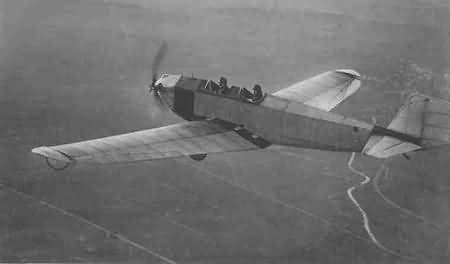
[tabs] [tab title=”Brief”] Klemm Daimler L.20 Aircraft designed by Dr.-Ing. Hanns Klemm held a special position in the flight training in Germany in the mid-twenties. About Klemm Daimler L.20 – Source Wikipedia Role: Two seat light aircraft National origin: Germany Manufacturer: Daimler aircraft and Klemm Flugzeugebau Designer: Hans Klemm First flight: 1924 Variants: Klemm KL.25 Specifications (Klemm Daimler L.20) Data from General – Flight 1927; Performance – Deutches Museum Archive General characteristics Crew: Two Wingspan: 13.0 m (42 ft 8 in) Wing area: 20.0 m2 (215 sq ft) Empty weight: 265 kg (584 lb) Gross weight: 265 kg (584 lb) Wing loading: 22.5 kg/m2(4.60 lb/sqft) Powerplant: 1 × Mercedes F7502a 885 cc, air-cooled flat twin, 15 kW (20 hp) 20 PS Propellers: 2-bladed Power loading: 30 kg/kW (50 lb/hp) Performance Maximum speed: 105 km/h (65 mph; 57 kn) Range: 480 km (298 mi; 259 nmi) Service ceiling: 4,100 m (13,451 ft) Time to altitude: 12.6 min to 1,000 m (3,281 ft) Landing speed: 42 km/h (26 mph) [/tab] [tab title=”Detailed information”] Klemm Daimler L.20 Aircraft designed by Dr.-Ing. Hanns Klemm held a special position in the flight training in Germany in the mid-twenties. Design and development Hans Klemm’s first light aircraft was the Daimler L15 and the L20 had much in common with it. Both were cantilever monoplanes with twin open, tandem cockpits and engines of very low power. The L20’s low wing distinguished it from its predecessor and had advantages of providing a low centre of gravity and better views during the landing approach as well as better protection for occupants in the case of crash landings. The low set wing also allowed a shorter undercarriage on the L20, which was otherwise like that of the L15 with the wheels independently mounted on pairs of centrally hinged V-struts and with vertical shock absorbing legs to the wing underside. Wheels were sometimes replaced by floats. Intended from the start for serial production, the L20’s structure was simplified, with a pentagonal cross-section fuselage lacking the L15’s rounded upper and lower surfaces. The fuselage was wooden framed with canvas covering. The overall strength of the structure, which had a safety factor of 12, was emphasised. The wing was tapered in plan and was built around two spars, though there were two variants of the internal wing structure. The first three aircraft, type L20 A1, had wings stiffened against torsion by internal wire bracing but later aircraft, type L20 B1, used a torsion box formed by plywood skin ahead of the rear spar. Like the later version of the L15, the L20 used a combination of conventional ailerons and unusual wing tip flaps, rotating about an axis well ahead of mid-chord. The ailerons were directly controlled from the cockpit as normal and the tip flaps were linked to them with external rods and cranks. On early examples these flaps were roughly square, with a side less than a half of the chord at the tip, but at some later time they were reshaped to produce wing curved tips. The wings could be detached at the root in about 5 minutes, reducing the width of the L20 to 1.7 m (67 in) for road transport on a trailer pulled by a car. At the beginning of the design and testing period the absence of a suitable, serially produced light aircraft engine was a concern and the wing was therefore mounted so that it could be moved fore and aft to allow for the varying centre of gravity positions resulting from engines of different weight. A glider version was contemplated though not used in the end. Instead, the flight programme began with the L20 powered by the 9 kW (12.5 hp) Harley-Davidson motor cycle engine used in the L15. By mid 1925 this had been replaced with a new engine, the 15 kW (20 hp) air-cooled, flat twin Mercedes F7502a, which Klemm had persuaded Daimler’s engine group to design and build for the light aircraft market. The cost of flying the L20 were low as its cruise fuel consumption was only 63 mL/km (45 mpg). From 1926 the uprated 15 kW (20 hp) Mercedes F7502b was fitted. The F7502 was central to the success of the L20, though it suffered from repeated rocker arm failures. Having failed to persuade the Daimler management to undertake series production of the L20 despite its early successes, in 1927 Klemm left to set up his own company, Klemm Light Aircraft in Sindelfingen, later moving to Böblingen. Thereafter the L20 was often known as the Klemm-Daimler L20 or sometimes the Daimler-Klemm L20. After 1926, new designs appeared under Klemm’s name alone; for example the Klemm L25, later Kl25, was a revision of the L20 with a 15 kW (20 hp) Salmson radial engine. Operational history The 1925 Round Germany Flight involved five circuits over a total distance of 5,262 km (3,270 mi). Two early L20s and the twin engined L21 competed against many aircraft from other German manufacturers. All three Daimler aircraft were very successful in the under 40 hp (30 kW) class, with the L21 the overall winner, receiving 25,000 Goldmarks (worth £1,250 in 1925) and the two L20’s coming second and third and winning another 25,000 Goldmark between them. They also contributed to the award of first prize in the contest between German engined aircraft to Mercedes. L 20 at the Zeller See after crossing the Alps in winter The best known and most significant flight by the L20 was the wintertime crossing of the Alps in early 1926. Flight Magazine hailed this as the „Vindication of the Light ‘Plane”, in the sense that it showed small aircraft to be a practical vehicle for travel over difficult terrain and in uncertain weather. The pilot was Guritzer and the navigator/engineer von Lansdorff, both from Daimler. The flight began at Daimler’s Sindelfingen base on 16 February. No special preparation such as fuel dumps were made in advance and carefully prepared maps were lost overboard early in the flight. The weather frustrated several attempts to cross the Alps but at last
Klemm KI 20 (40 HP)
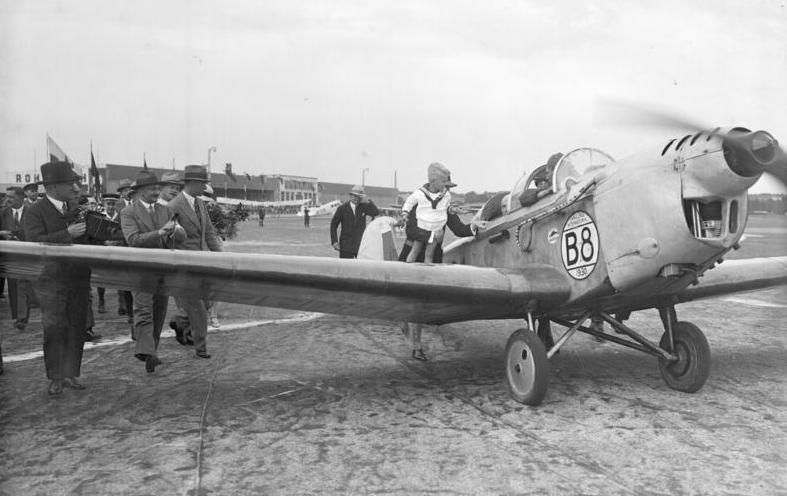
Klemm L.25, mai târziu, Klemm Kl 25 a fost un monoplan de succes german de agrement, ușor, sport și de formare dezvoltat în 1928. Despre Klemm KI 20 (40 HP) -Wikipedia Rol: Avion pentru antrenamente Fabricant: Klemm Primul zbor: 1928 Mai mult de 600 de aeronave au fost construite, iar licențele de fabricație au fost vândute în Regatul Unit și Statele Unite ale Americii. Dezvoltare Cu consolă-aripă scăzută, tren de aterizare fix, și două cocpituri deschise, aeronava a fost dezvoltată de Fundatia Hanns Klemm care a folosit designul său anterior, Klemm Kl 20, ca punct de plecare. Ea a zburat prima cu un 20 CP (15 kW) motor Mercedes, treizeci de versiuni diferite ale Kl 25 au fost făcute, iar acestea au fost echipate cu motoare variind de la 32 la 70 kW (43 – 94 CP).Fuselajul a fost acoperit cu placaj. Greutatea aeronavei era între 620 -720 kg (1,367 pană la 1,587 lb), și a avut o anvergură 10.5 to 13 m (34 to 43 ft) . La off a fost realizat numai la 50 km/h (31 mph) și maximul de viteză era între 150 și 160 km/h (93 to 99 mph). În relație cu avioanele similare ale acelui timp, asamblarea lui a fost foarte ușoară, ceea ce l-a făcut foarte popular. Potrivit broșurilor de vânzări, doar 25% din puterea motorului a fost necesară pentru a menține zborul aeronavelor, în comparație cu biplanele perioadei, care au necesitat puterea motorului de 50%. Aproximativ 600 au fost construite în Germania între 1929 și 1936, servind cu diverse organizații de instruire pentru zbor, fie pe roți, schiuri, sau flotoare. 15 au fost vândute în Marea Britanie înaintea celui de-al Doilea Război Monidal, fiind echipate cu o varietate de motoare interne, în timp ce 28 au fost construite mai mult de compania britanica British Klemm Aeroplane Company ca B.A. Swallow. Producția în Statele Unite a fost efectuată de către S Aeromarine-Klemm Company, care s-a bucurat de un succes moderat, precum și modele de dezvoltare pentru piața americană în izolare de la societatea-mamă, cu cca. 120 construite – toate modelele. Klemm L 25s a luat parte la multe competiții, printre altele la International Touring Aircraft Competitions (Europa Rundflug) în 1929 (cel mai bun loc 4) și în 1930 (cele mai bune locuri 2 și 3, varianta L 25E). Variante Germania L 25 a: Construit între 1927 și 1929, echipat cu motor Daimler F 7502 (22 PS) L 25 I, Ia and IW: Construit între 1928 și 1929, echipat cu motor Salmson AD.9 (45 PS) L 25 b: Construit în 1931, echipat cu motor 22 PS Daimler L 25 b VII: Construit în 1931, echipat cu motor Hirth HM 60 (60 PS) L 25 d II: Construit în 1933, echipat cu un motor Siemens Sh 13 a (88 PS) L 25 d VII: Echipat cu motor Hirth HM 60 R (80 PS) L 25 IVa: Echipat cu motor Armstrong Siddeley Genet L 25E or Ve: Variantă specială pentru competiții (E pentru Europa Rundflug 1930), cu bolta închisă, interval mai mic, echipat cu motorArgus As 8 în linie, (103 PS / 75.7 kW) VL 25 Va: Variantă de trei locuri, cu bolta închisă, echipat cu motor în linie Argus As 8 (103 PS / 75.7 kW) United Kingdom British Klemm Aeroplane Company B.K. Swallow British Aircraft Manufacturing Co. B.A. Swallow II United States Aeromarine-Klemm AKL-25 Aeromarine-Klemm AKL-26 Aeromarine-Klemm AKL-27 Aeromarine-Klemm AKL-60 Aeromarine-Klemm AKL-70 Aeromarine-Klemm Model 70 Antrenamente Specificații(L 25 d VII R) Caracteristici Generale Lungime: 7.5 m () Anvergura: 13.0 m () Înăltțime: 2.05 m () Zonă aripă: 20.0 m² () Greutate la gol: 420 kg () Încărcare maximă: 720 kg () Performanță Viteză maximă 160 km/h Gamă: 650 km () Plafon servicii: 4,800 m ()
Klemm KI 25
[tabs] [tab title=”Brief”] Klemm Kl 25 Klemm L.25, later Klemm Kl 25 was a successful German light leisure, sports and training monoplane aircraft, developed in 1928. About Klemm Kl 25 – Source Wikipedia Role: Training plane Manufacturer: Klemm First flight: 1928 Specifications (L 25 d VII R) General characteristics Length: 7.5 m (24 ft 7 in) Wingspan: 13.0 m (42 ft 8 in) Height: 2.05 m (6 ft 9 in) Wing area: 20.0 m² (215 sq ft) Empty weight: 420 kg (926 lb) Max. takeoff weight: 720 kg (1,587 lb) Performance Maximum speed: 160 km/h (99 mph, 86 kn) Range: 650 km (404 mi) Service ceiling: 4,800 m (15,748 ft) [/tab] [tab title=”Detailed information”] Klemm Kl 25 Klemm L.25, later Klemm Kl 25 was a successful German light leisure, sports and training monoplane aircraft, developed in 1928. Klemm L.25, later Klemm Kl 25 was a successful German light leisure, sports and training monoplane aircraft, developed in 1928. More than 600 aircraft were built, and manufacturing licenses were sold to the United Kingdom and the United States. Design and construction With low cantilever wing, fixed landing gear, and two open cockpits,[1] the aircraft was developed by Hanns Klemm who used his previous design, the Klemm Kl 20, as a starting point. It first flew on a 20 hp (15 kW) Mercedes engine.[1] About thirty different versions of the Kl 25 were made, and these were equipped with engines ranging from 32 to 70 kW (43 to 94 hp). The fuselage was covered with plywood. Depending on the model, the aircraft’s weight was 620 to 720 kg (1,367 to 1,587 lb), and it had a 10.5 to 13 m (34 to 43 ft) wingspan. Take-off was achieved at only 50 km/h (31 mph) and the maximum speed was between 150 to 160 km/h (93 to 99 mph). In relation to similar aircraft of the time, assembly was very easy, and this made it a very popular aircraft. According to the sales brochures, only 25% of the engine’s power was needed to keep the aircraft flying, compared to biplanes of the period, which required 50% engine power. About 600 were built in Germany between 1929 and 1936,[1] serving with various flight training organizations, on either wheels, skis, or floats.[1] Fifteen were sold to Britain before the Second World War,[1] being fitted with a variety of domestic engines,[1] while twenty-eight more were built by British Klemm Aeroplane Company as the B.A. Swallow.[1] Production in the United States was carried out by the Aeromarine-Klemm Company which enjoyed moderate success as well as developing models for the American market in isolation from the parent company, with about 120 built of all models. Variants NB, list not complete Germany L 25 a: Built between 1927 and 1929, equipped with a Daimler F 7502 engine (22 PS) L 25 I, Ia and IW: Built between 1928 and 1929, equipped with a Salmson AD.9 engine (45 PS) L 25 b: Built in 1931, equipped with a 22 PS Daimler engine L 25 b VII: Built in 1931, equipped with a Hirth HM 60 engine (60 PS) L 25 d II: Built in 1933, equipped with a Siemens Sh 13 a engine (88 PS) L 25 d VII: Equipped with a Hirth HM 60 R engine (80 PS) L 25 IVa: Equipped with Armstrong Siddeley Genet engine L 25E or Ve: pecial competition variant (E for Europa Rundflug 1930), with a closed canopy, smaller span, equipped with Argus As 8 straight engine (103 PS / 75.7 kW) VL 25 Va: VL 25 Va: Three-seater variant, with a closed canopy, equipped with Argus As 8 straight engine (103 PS / 75.7 kW) United Kingdom British Klemm Aeroplane Company B.K. Swallow British Aircraft Manufacturing Co. B.A. Swallow II United States Aeromarine-Klemm AKL-25 Aeromarine-Klemm AKL-26 Aeromarine-Klemm AKL-27 Aeromarine-Klemm AKL-60 Aeromarine-Klemm AKL-70 Aeromarine-Klemm Model 70 Trainer [/tab] [tab title=”Gallery”] Klemm Kl 25 Klemm L.25, later Klemm Kl 25 was a successful German light leisure, sports and training monoplane aircraft, developed in 1928. [nggallery id=25][/tab] [tab title=”Pilots”] Klemm Kl 25 Klemm L.25, later Klemm Kl 25 was a successful German light leisure, sports and training monoplane aircraft, developed in 1928. [recent_posts count=”100″ cat=”50″][/tab] [/tabs]
Klemm 35
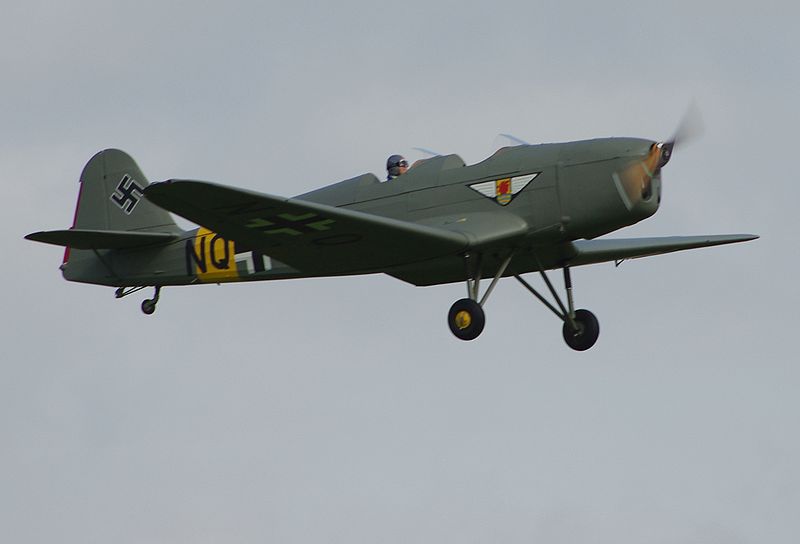
A fost un avion german, pentru antrenament, sport, dezvoltat ca succesor al Kl 25 Despre Klemm 35 – Wikipedia Rol: Avion pentru antrenamente, două locuri, sport Fabricant: Klemm Leightflugzeugbau Gmbh Proiectant: Friedrich Fecher Primul zbor: 1935 Introducere: 1935 Status: nu se mai fabrică Primii utilizatori: LuftwaffeCehoslovaciaUngariaRomaniaSuedia Produs: 1937-1944 Număr de aeronave construite: 2000 Cost unitate: RM17,500 Un produs Klemm Leichtflugzeugbau Gmbh având același singur motor, consola cu low-aripă de configurare, diferența majoră fiind introducerea unei aripi-pescăruș inversate. Dezvoltare Kl 35 a fost proiectat în 1934 sub auspiciile Reichsluftfahrtministerium (RLM). Dipl. Ing. Friedrich Fecher a avut întreaga responsabilitate pentru constructii. Construcții de așa-numita Gemischtbauweise a fost folosită: oțelul pentru fuselaj, aripi si lemn pentru unitățile cozii și doar cantități mici de aliaj ușor pentru garniturile utilizate. Aceasta a devenit o metoda de constructie preferată cu RLM în jurul valorii de data aceasta, din considerentele de disponibilitate materialului strategic. Producție Rezultatele studiului trebuie să fi fost satisfăcătoare, deoarece, în iulie 1936, 23 de aeronave au fost comandate pentru livrare între iulie și septembrie 1937, cu o producție planificată să crească la 3 pe luna. Klemm a fost la momentul de fabricație Fw 44 sub licență de la Focke-Wulf. În acest timp RLM, era deja în căutare de un antreprenor pentru a construi sub licența Kl 35A, alegând Fieseler care era deja cu licență de producție cu He 72 și Fw 58, Storchs la uzina Kasseler. Următoarele comenzi, la un total de 1386, au urmat și variante în linie, începând cu Kl 35B, cu un motor nou. Fabricate la Fieseler în noiembrie 1939, 365 de avioane, când RLM a transferat licența de producție către Zlin în Cehoslovacia. Producția a luat sfârșit în mai 1943 cu un total de producție Luftwaffe de 1302. Balanța producției și clienții de export au fost private, deși, deoarece acestea ar trebui să fie aproape 700 pentru a ajunge la totalul des citat de aproximativ 2.000 de acest lucru poate fi exagerat. Variante Kl 35a– Primul prototip cu un motor 60-kW (80-cp) Hirth HM60R Kl-35b– Al doile prototip Kl 35B– Versiune de producție inițială, cu un motor 60-kW (80-cp) Hirth RM60R. Kl 35BW– Versiune hidroavion Kl 35D– Versiune îmbunătățită, cu un tren de rulare fix. Kl 106– Versiune de Kl 35D cu motor Hirth HM 500 destinate producției sub licență în Statele Unite. Probabil Lemm, cel mai important tip de avion pentru zbor acrobatic pe deplin, a fost demonstrat pentru prima dată în public în luna octombrie 1935 la International Air Show în Milano, și curând găsite printre mulți cumpărători privați. Inițial cu un mnotor de 80 CP (60 kW) Hirth HM60R în linie, lemn mixt si acoperire țesătură, Alegerea cockpitului deschis sau închis. Cu Hirth 60R, a devenit Kl 35A (cu flotoare, Kl 35AW), în timp ce 105cp (78 kW) Hirth, a fost Kl 35A (cu flotoare, Kl 35AW). O variantă îmbunătățită a Kl 35D, proiectat ca avionul pentru antrenamente Luftwaffe, cu motor de 105 cp (78 kW) Hirth HM 504A-2 și opțiunea pentru ski sau alte unelte de aterizare, a apărut în anul 1938. A fost cel mai numeros, cu peste 3000 de unități construite. Un număr de forțe aeriene, au cumpărat copii, inclusiv românești, ungurești și slovace. Flygvapnet a cumpărat multe, proiectate Sk 15, pentru antrenamente (cel puțin 5 dintre acestea, hidroavioane) și în 1941 începe producția licențiată, construind aproximativ 74, câteva supraviețuind în service până în 1951. Au zburat 3 din Lithuanian Aircraft Platoon. Supraviețuitori Klemm Kl35 Klemm Kl35Nici o mașină Luftwaffe nu a supraviețuit, dar un număr de mașini ex-Flygvapnet au fost conservate. Klemm Kl 35D G-KLEM este deținut și operat de Peter Holloway la Old Warden, Bedfordshire, UK. Kl 35D SE-BGA a zburat din nou după aproape 50 de ani, în 19 december 2009. Baza Håtuna aproape de Stockholm. Specificații (Klemm Kl 35D)Date de la The Concise Guide to Axis Aircraft of World War II Caracteristici generale Echipaj: 2 Lungime: 7.50 m (24 ft 7¼ in) Anvergura: 10.40 m (34 ft 1¼ in) Înăliime: 2.05 m (6 ft 8¾ in) Zonă aripă: 15.20 m² (163.62 ft²) Greutate la gol: 460 kg (1,014 lb) Încărcare maximă: 750 kg (1,654 lb) Motopropulsor: 1 × Hirth HM 60R 4-cylinder inverted inline engine, 60 kW (80 hp) Performanță Viteză maximă: 212 km/h (132 mph) Viteză de croazieră: 190 km/h (118 mph) Gamă: 665 km (413 mi) Plafon servicii 4,350 m (14,270 ft)
Klemm Kl 35
[tabs] [tab title=”Brief”] Klemm Kl 35 The Klemm Kl 35 was a German sporting and training aeroplane developed as a successor to the Klemm Kl 25. About Klemm Kl 35 – Source Wikipedia Role: Two-seat sports and training aircraft Manufacturer: Klemm Leightflugzeugbau Gmbh Designer: Friedrich Fecher First flight: 1935 Introduction: 1935 Status: Out of service Primary users: Luftwaffe, Czechoslovakia, Hungary, Romania, Sweden Produced: 1937 – 1944 Number built: 2000 Unit cost: RM 17 500 Specifications (Klemm Kl 35D) Data from The Concise Guide to Axis Aircraft of World War II General characteristics Crew: Two Length: 7.50 m (24 ft 7¼ in) Wingspan: 10.40 m (34 ft 1¼ in) Height: 2.05 m (6 ft 8¾ in) Wing area: 15.20 m² (163.62 ft²) Empty weight: 460 kg (1,014 lb) Max. takeoff weight: 750 kg (1,654 lb) Powerplant: 1 × Hirth HM 60R 4-cylinder inverted inline engine, 60 kW (80 hp) Performance Maximum speed: 212 km/h (132 mph) Cruise speed: 190 km/h (118 mph) Range: 665 km (413 mi) Service ceiling: 4,350 m (14,270 ft) [/tab] [tab title=”Detailed information”] Klemm Kl 35 The Klemm Kl 35 was a German sporting and training aeroplane developed as a successor to the Klemm Kl 25. The Klemm Kl 35 was a German sporting and training aeroplane developed as a successor to the Kl 25. A product of Klemm Leichtflugzeugbau Gmbh it shared the same single-engine, cantilever low-wing configuration as the earlier machine, the major difference being the introduction of an inverted gull wing. Probably Klemm’s most important type, the fully aerobatic aeroplane was shown for the first time publicly in October 1935 at the international Air Show in Milan and soon found many private buyers. Powered initially by an 80 hp (60 kW) Hirth HM60R inline, it had fixed undercarriage, mixed wood and fabric covering, and the choice of open or closed cockpit. Powered by the Hirth 60R, it became the Kl 35A (with floats, Kl 35AW), while with the 105 hp (78 kW) Hirth, it was the Kl 35A (with floats, Kl 35AW). An improved Kl 35D, designed as a Luftwaffe trainer, with 105 hp (78 kW) Hirth HM 504A-2 engine and the option of ski or float landing gear, appeared in 1938. It was the most numerous, with over three thousand built. A number of air forces purchased copies, including the Romanian, Hungarian, and Slovak. The Flygvapnet bought several, designated Sk 15, for training use (at least five of those seaplanes) and in 1941 began licence production, building about 74 more, some surviving in service until 1951. The Lithuanian Aircraft Platoon flew three. Development The Kl 35 was designed in 1934 under the auspices of the Reichsluftfahrtministerium (RLM). Dipl. Ing. Friedrich Fecher had overall responsibility for the construction. The so-called Gemischtbauweise construction was used: steel for fuselage, wood for wings and tail units and only small quantities of light alloy for linings were used. This became a preferred building method with the RLM around this time, because from considerations of strategic material availability. Production The results of the trial must have been satisfactory, because in July 1936, 23 aircraft were ordered for delivery between July and September 1937, with production planned to increase to 3 per month. Klemm was at the time manufacturing the Fw 44 under licence from Focke-Wulf. By this time the RLM was already looking for a sub-contractor to build the Kl 35A under licence, choosing Fieseler which was already undertaking licence production of the He 72 and Fw 58 alongside Storchs at its Kasseler plant. Further orders, to a total of 1,386, followed and new variants came on line, beginning with the Kl 35B with a new engine. Manufacture at Fieseler ceased in November 1939, after 365 aircraft, when the RLM transferred licence production to Zlin in occupied Czechoslovakia. Production ended in May 1943 with total production for the Luftwaffe having reached 1,302. The balance of production was for private and export customers, though since these would have to number nearly 700 to reach the oft-quoted total of around 2,000 this may be exaggerated. Variants Kl 35a – The first prototype, powered by a 60-kW (80-hp) Hirth HM60R piston engine. Kl 35b – Second prototype. Kl 35B – Initial production version, powered by a 60-kW (80-hp) Hirth RM60R piston engine. Kl 35BW – Floatplane version. Kl 35D – Improved version, fitted with a tricycle undercarriage. Kl 106 – version of the Kl 35D with Hirth HM 500 engine intended for production under licence in the United States Survivors Klemm Kl35 No Luftwaffe machine is known to survive, but a number of ex-Flygvapnet machines have been preserved. Klemm Kl 35D G-KLEM is owned and operated by Peter Holloway at Old Warden, Bedfordshire, UK. Klemm Kl 35D SE-BGA flew again after nearly 50 years on 19 December 2009. It is based at Håtuna, near Stockholm. [/tab] [tab title=”Gallery”] Klemm Kl 35 The Klemm Kl 35 was a German sporting and training aeroplane developed as a successor to the Klemm Kl 25. [nggallery id=24][/tab] [tab title=”Pilots”] Klemm Kl 35 The Klemm Kl 35 was a German sporting and training aeroplane developed as a successor to the Klemm Kl 25. [recent_posts count=”100″ cat=”49″][/tab] [/tabs]
Junker JU 86
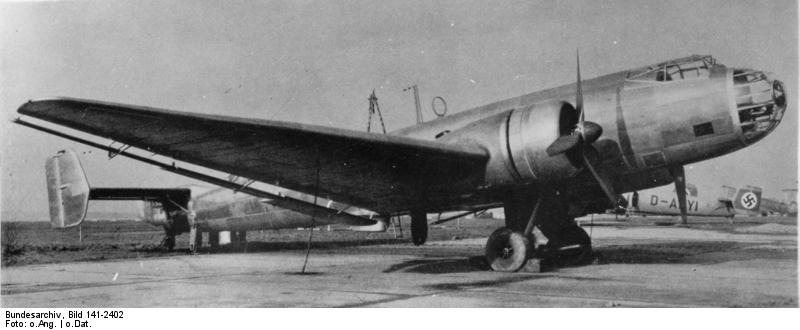
A fost un monoplan, bombardier german, si avion civil pentru pasageri, proiectat la începutul anilor 1930, și angajat în ambele părți, în timpul celui de-al Doilea Război Mondial. Despre Junker JU 86 – Wikipedia Rol: Bombardier, avion de recunoaștere, avion pentru pasageri Fabricant: Junkers Primul zbor: 1934 Introducere: 1936 Status: retras Primii utilizatori: German Luftwaffe Modelul civil Ju 86B, are o capacitate de 10 pasageri. Două au fost livrate către Swissair și cinci către Lufthansa. Un singur avion civil Ju 86Z a fost livrat în Suedia, AB Aerotransport. Proiectare și dezvoltare În 1934, o specificație pentru un modern motor twin-aeronave capabil să funcționeze atât ca un avion, de mare viteză pentru compania aeriană germană Luft Hansa cât și ca un bombardier mediu pentru Luftwaffe încă-secret, a fost eliberat bothJunkers și Heinkel. Cinci prototipuri au fost comandate de la fiecare companie; Junkers Ju 86 și Heinkel 111 El de proiectare Junkers „a fost un monoplan cu aripi gemene, cu motorul scăzut, metal și construcții de piele. Spre deosebire de cele mai multe dintre modelele anterioare Junkers „, a renunțat la curățarea izolației lor tipice ondulate în favoarea izolației tipică metalică, netedă, care a ajutat la reducerea rezistenței la înaintare. Ambarcațiunile au fost echipate cu un ecartament îngust, aripi retractabile, tailwheelundercarriage, twin și cârme. Acesta a fost destinat să fie alimentat cu Junkers Jumo 205, motor diesel, care, deși greu, le-a dat consumul de combustibil mai bun decât motoarele convenționale pe benzină. Aeronavele bombardier au avut un echipaj de patru, un pilot, navigator, operator radio / bombadier și trăgător. Armament defensiv format din trei mitraliere, situate la nas, la o poziție dorsală și într-o poziție ventrală retractabilă. Bombele au fost efectuate pe verticală în celulele fuzelajului: patru in spatele cabinei de pilotaj. Versiunea avionului înlocuiește bombload cu locuri pentru 10 de pasageri, cu rezervoarele de combustibil fiind mutate din fuselaj în aripi. Primul prototip, Ju 86, Ju 86ab1, cu motor Siemens SAM 22 radial engines navigabil cu Jumo 205s, erau indisponibile. A zburat în data de 4 noiembrie 1934, cu o configurație de bombardament, cu al doilea prototip, de asemenea bombardier, ce a zburat în ianuarie 1935. Al treilea 86, și primul prototip civil, a zburat la data de 4 aprilie 1935. Producția de pre-serii militare și civile au început la sfârșitul anului 1935, cu întreaga producție a bombardierului Ju 86A-1, care începe în aprilie 1936. Producția a trecut rapid la îmbunătățirea Ju 86 D cu modificarea cozii conice, pentru imbunătățirea stabilității. Utilizarea timpurie a alimentat Jumo, bombariderul Ju 86 peste Spania, a arătat că era inferior HE 111 El, cu motoare diesel, fiind improprii pentru tratamentul dur din timpul luptei, planurile de producție au fost tăiate. Un Ju 86 a fost deja convertit pentru a utiliza motoare radiale ca un testbed pentru versiunile de export posibile, iar acest lucru s-a văzut în fiabilitatea mult îmbunătățită. Cu producția trecută de la o versiune propulsată de motorul BMW 132, Ju 86E; Producția continuă până în 1938. „Z”, denumirea sufixului pentru variantele civile, introduse în 1936, au fost alocate trei modele: Jumo-motor Z-1 (corespunzător B-0 sau C-1), vândut către Swissair (unul), Airlines of Australia (unul), și LAN-Chile (trei); BMW 132H- Z-2 pentru DLH (două) și para-militar Manchukuo Air Transport (cinci sau mai multe); și Hornet-Z-7, livrat către AB Aerotransport of Sweden (unul, folosit pentru serviciile poștale), Lloyd Aereo Boliviano (trei), și South African Airways (17). Jumo-motor Z-1 (care corespunde fostului B-0 sau C-1), vândut la Swissair (unul), Airlines din Australia (unul), si LAN-Chile (trei); BMW 132H-elevator Z-2 pentru DLH (două) și para-militare Manchukuo transportul aerian (cinci sau mai mult); și Hornet-motor Z-7, emis la AB din Suedia Aerotransport (unul, pentru utilizarea pe serviciile de e-mail), Lloyd bolivian Aereo (trei), precum și de Sud African Airways (17). Aeronava ABA a fost transferată ulterior Forțelor Aeriene Suedeze, cu care a servit, sub denumirea Tp 9, până în 1958. Intenția inițială SAA era de a avea Ju86s cu motor de 745 CP Rolls-Royce Kestrels. Șase avioane pentru SAA, au zburat cu aceste motoare, au fost reamenajate cu Hornets înainte de livrare, iar restul au fost de asemenea alimentate cu Hornet. Ju86 a fost vândut Forțelor Aeriene, a mai multor națiuni, Bolivia, Chile, Ungaria, Manchukuo, Portugalia, și Forțelor Aeriene din Sudul Africii. (SAAF), Spania, și Suedia. Ju 86K a fost un model pentru export, de asemenea construit cu licență în Suedia, de Saab cu B 3 cu (905 cp) Bristol Mercury XIX motoare radiale. ;multe avioane au rămas în service cu Foarta Aeriana Suedeza până în 1958. Câteva s-au convertit în platforme SIGINT. Istorie operațională Bombardierele au fost testate pe teren în Războiul Civil Spaniol, unde s-a dovedit a-i fii inferior modelului Heinkel He 111. Patru Ju 86D-1s au ajuns în Spania, la începutul lunii februarie 1937, dar după câteva ieșiri, câteva dintre ele (codificate 26-1) au fost doborâte la 23 februarie de către luptătorii republicani, cu pierderea a trei membri ai echipajului uciși, unul fiind capturat. Un avion de înlocuire a fost trimis din Germania, dar în vara anului 1937 un alt D-1 a fost pierdut într-un accident, iar restul de trei aeronave au fost vândute forțelor aeriene naționaliste. Acesta a fost utilizat din nou în 1939, la invazia Poloniei, dar sa retras la scurt timp după. În ianuarie 1940, Luftwaffe testeaza prototipul Ju 86P cu un wingspan mai lung, cabină presurizată, Jumo 207A1 incărcat cu motoare turbo diesel și un echipaj de 2 persoane. Ju 86P putea zbura la înălțimi de 12,000 m (39,000 ft) și mai sus, ocazional, atâta timp cât se afla în siguranță. British Westland Welkin și Soviet Yakovlev Yak-9PD au fost dezvoltate special pentru a contracara această amenințare. La izbucnirea celui de-al Doilea Război Mondial, Ju 86Zs al Africii de Sud a fost militarizat și înarmat ca bombardier cu arme defensive și grătare externe bombă. Aeronavele au fost inițial folosite pentru patrulele de coastă, împreună cu Ju 86K-1, jucând un rol important în interceptarea blocadei germane, SS Watussi, în decembrie 1939. În luna mai 1940, acestea au fost folosite pentru a re-echipa nr.
Junkers Ju 86
[tabs] [tab title=”Brief”] Junkers Ju 86 The Junkers Ju 86 was a German monoplane bomber and civilian airliner designed in the early 1930s, and employed by both sides during World War II. About Junkers Ju 86 – Source Wikipedia Role: Bomber, Airliner, Reconnaissance aircraft Manufacturer: Junkers First flight: 1934 Introduction: 1936 Status: Retired Primary user: German Luftwaffe Specifications (Junkers Ju 86) Data from Jane’s Fighting Aircraft of World War II and Warbirds Resource Group General characteristics Crew: Two (pilot and radio operator) Length: 16.46 m (54 ft) Wingspan: 32 m (105 ft) Height: 4.7 m (15 ft 5 in) Wing area: 82 m² (883 ft²) Empty weight: 6,700 kg (14,800 lb) Max. takeoff weight: 11,530 kg (25,420 lb) Powerplant: 2 × Junkers Jumo 207B-3/V diesel engines, 746 kW (1,000 hp) each Performance Maximum speed: 420 km/h (260 mph) above 9,150 m (30,000 ft) Range: 1,580 km (980 mi) Service ceiling: 13,000 m (42,650 ft) Rate of climb: 4.67 m/s (900 ft/min) Armament Guns: defensive armament of three MG 15 machine guns Bombs: 1,000 kg (2,200 lb) of bombs [/tab] [tab title=”Detailed information”] Junkers Ju 86 The Junkers Ju 86 was a German monoplane bomber and civilian airliner designed in the early 1930s, and employed by both sides during World War II. The Junkers Ju 86 was a German monoplane bomber and civilian airliner designed in the early 1930s, and employed by both sides during World War II. The civilian model Ju 86B could carry 10 passengers. Two were delivered to Swissair and five to Luft Hansa. In addition a single civilian Ju 86Z was delivered to the Swedish AB Aerotransport. Design and development In 1934, a specification for a modern twin-engined aircraft capable of operating both as a high speed airliner for the German airline Luft Hansa and as a medium bomber for the still-secret Luftwaffe was issued to both Junkers and Heinkel. Five prototypes were ordered from each company; the Junkers Ju 86 and Heinkel He 111. Junkers’ design was a low-winged twin engined monoplane, of all-metal stressed skin construction. Unlike most of Junkers’ previous designs, it discarded their typical corrugated skinning in favour of smooth metal skinning which helped to reduce drag. The craft was fitted with a narrow track retractable tailwheel undercarriage and twin fins and rudders. It was intended to be powered by the Junkers Jumo 205 diesel engines, which although heavy, gave better fuel consumption than conventional petrol engines. The bomber aircraft had a crew of four; a pilot, navigator, radio operator/bombadier and gunner. Defensive armament consisted of three machine guns, situated at the nose, at a dorsal position and within a retractable ventral position. Bombs were carried vertically in four fuselage cells behind the cockpit. The airliner version replaced the bombload with seating for 10 passengers, with fuel tanks being moved from the fuselage to the wings. The first prototype Ju 86, the Ju 86ab1, fitted with Siemens SAM 22 radial engines as airworthy Jumo 205s were unavailable, flew on 4 November 1934, in bomber configuration, with the second prototype, also a bomber, flying in January 1935. The third Ju 86, and the first civil prototype, flew on 4 April 1935. Production of pre-series military and civil aircraft started in late 1935, with full production of the Ju 86A-1 bomber commencing in April 1936. Production quickly switched to the improved Ju 86 D with a modified tail cone to improve stability. Early use of the Jumo powered Ju 86 bomber over Spain showed that it was inferior to the He 111, with the diesel engines being unsuitable for rough treatment during combat, and production plans were cut back. One Ju 86 had already been converted to use radial engines as a testbed for possible export versions, and this showed much improved reliability. With production switched to a version powered by the BMW 132 engine, the Ju 86E; production continuing until 1938. The „Z” designation suffix for civil variants, introduced in 1936, was allocated to three models: the Jumo-engined Z-1 (corresponding to the former B-0 or C-1), sold to Swissair (one), Airlines of Australia (one), and LAN-Chile (three); the BMW 132H-powered Z-2 for DLH (two) and the para-military Manchukuo Air Transport (five or more); and the Hornet-engined Z-7, delivered to AB Aerotransport of Sweden (one, for use on mail services), Lloyd Aereo Boliviano (three), and South African Airways (17). The ABA aircraft was later transferred to the Swedish Air Force, with which it served, under the designation Tp 9, until 1958. SAA’s original intention was to have its Ju 86s powered by 745 hp Rolls-Royce Kestrels. Six aircraft for SAA, flown with these engines, were refitted with Hornets before delivery, and the remainder were also Hornet-powered. The Ju 86 was sold to airlines and air forces from several nations, including Bolivia, Chile, Hungary, Manchukuo, Portugal, the South African Air Force (SAAF), Spain, and Sweden. The Ju 86K was an export model, also built under license in Sweden by Saab as the B 3 with (905 hp) Bristol Mercury XIX radial engines. Several aircraft remained in service with the Swedish Air Force until 1958. A few were converted to SIGINT platforms. Operational history The bomber was field tested in the Spanish Civil War, where it proved inferior to the Heinkel He 111. Four Ju 86D-1s arrived in Spain in early February 1937, but after a few sorties one of them (coded 26-1) was shot down on 23 February by Republican fighters with the loss of three crewmen killed and one captured. A replacement aircraft was sent from Germany, but in the summer of 1937 another D-1 was lost in an accident, and the three remaining aircraft were sold to the Nationalist air forces. It was again used in the 1939 invasion of Poland, but retired soon after. In January 1940, the Luftwaffe tested the prototype Ju 86P with a longer wingspan, pressurized cabin, Jumo 207A1 turbocharged diesel engines, and a two-man crew. The Ju 86P could fly at heights of 12,000 m (39,000 ft) and higher on occasion, where it was felt to be safe from Allied fighters. The British Westland
ICAR Universal
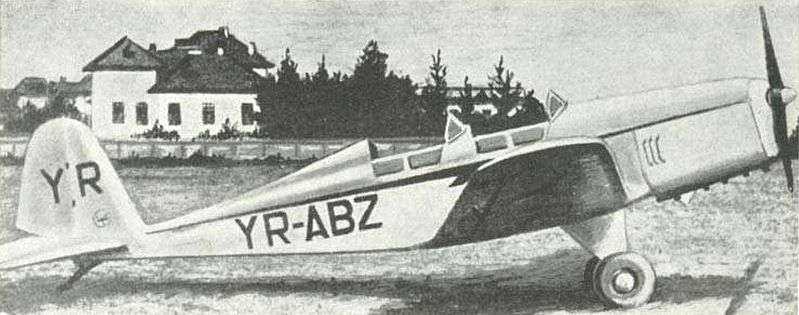
A fost un monoplan românesc pentru antrenament, al anilor 1930, de două locuri, turism și acrobații aeriene. Despre ICAR Universal– Wikipedia Rol: Avion pentru antrenamente Fabricant: ICAR Primul zbor: 1934 Primul utlizator: Romania Produs: 1934-1936 Număr de aeronave construite: 14 Proiectare și dezvoltare Universal a fost proiectat în 1932, condusă de inginerul Mihail Racovita, fabricat în 1934 în fabrica ICAR (Īntreprinderea de construcţii aeronautice româneşti), în București. A fost facut după modelul german German Messerschmitt M.23b, licență produsă de ICAR. Acolo erau trei variante ale avionului. Primul a fost unul pentru distanțe lungi, cu un singur loc, sport, cu un motor radial Siemens-Halske Sh 14 de 150CP radial sub NACA cowling, dându-i o viteză maximă de 180 km/h. Un avion (YR-MAI) a fost construit pentru prințesa Marina Stirbey. În locul unei cabine de pilotaj a existat un rezervor de combustibil suplimentar, oferindu-i rezistență de 6 ore. La sfârșitul anului 1930, a fost transformat într-un avion turistic, de două locuri.[/tp][tp lang=”en” only=”y”]The Universal was designed in 1932, led by engineer Mihail Racovita, and manufactured in 1934 in the factory of ICAR (Īntreprinderea de construcţii aeronautice româneşti) in Bucharest. It was modeled after the German Messerschmitt M.23b, license-produced by the ICAR. There were three variants of the aircraft. The first was a long-distance single-seater sports aircraft, powered with 150 HP Siemens-Halske Sh 14 radial engine under NACA cowling, giving it a maximum speed of 180 km/h. One such aircraft (YR-MAI) was built for Princess Marina Stirbey. In a place of a forward cockpit, there was an additional fuel tank, giving it an endurance of 6 hours. In the late 1930s, it was converted to two-seater touring aircraft. Alte 3 aeronave au fost construite, cu un singur loc, variantă pentru acrobație, ICAR Universal Acrobatic (YR-ACA, YR-ACB, YR-ACC). Avenguri crescute la 12,9m, și propulsate de un motor radial Sh.14a sub capota NACA. În urma succesului monopostului, o serie mică de 10 formatoare cu două locuri, a fost construită. De asemenea, cunoscut sub numele de ICAR universal Biloc (= „cu două locuri”). Această variantă a fost alimentată de un motor în linie Havilland Gipsy Major de130 CP, fabricat sub licență de la Brașov ca IAR 4GI. Ele au fost produse în 1935-1936. Istorie operațională În cursul august–septembrie 1936, raza lungă universală (YR-MAI) a fost folosit de Marina Stirbey pentru un zbor solo, ruta București-Tallinn-Helsinki-Copenhagen-Berlin-București. Mai târziu, a fost transformat în două locuri. Din 1934, 3 Universal Acrobatics, vospite roșii, au fost folosite înaintea războiului, de echipa Dracii rosii (piloții fiind: Petre Ivanovici, Mihail Pantazi și Maximilian Manolescu-Max). Ei au efectuat spectacole aeriene numeroase, în 1934-1937. A rămas cea mai de succes acrobație a aeronavelor construite în România pentru o lungă perioadă de timp. Cele mai multe exemple de Universal Biloc au fost folosite pentru antrenamente. Ei au primit numere de ordine militare de la 1 la 10, vopsite în alb, dar mai târziu s-au dat unele înregistrări civile. Între 14 aprilie și 25 mai 1935, piloții militari Alexandru Cernescu, Mihail Pantazi, George Davidescu, Gheorghe Olteanu, Gheorghe Jienescu și Anton Stengher au zburat cu 3 Universal Bilocs (YR-ACL, YR-AEL, YR-AEY) modificate, într-un zbor din București către Cape Town și inapoi (23,000 km) în 149 de ore 10 minute. Rezistența acestor aeronave a fost modificată de la 3 la 8.5h. Descriere Monoplan consolă, Low-wing, cu un tren de aterizare fix. Aripile au fost rotunjite, trapezoidală cu sfaturi, cu un singur Spar, placaj acoperit (eleroanele au fost acoperite cu țesături).Fuselajul a fost semi monococa, realizat dintr-un cadru din lemn, cu placaj acoperit. Partea din față a fost acoperită cu tablă. Aeronava a avut una sau două cockpituri deschise în tandem, fiecare cu un parbriz individual. Cockpiturile Biloc-ului Universal a avut suprafață de sticlă, pentru a îmbunătăți opiniile de mai jos. Motor in fata: IAR 4GI, în linie, 130 CP (Universal Biloc) sau motor radial Siemens-Halske Sh 14, 150 CP, cu capota NACA. Două-paie de elice. Exista o mini protecție spate sub coada. În varianta acrobatică, trenul de aterizare principal a avut jambierele cu formă de lacrimă. Caracteristici Generale Echipaj: 1 Capacitate: 1, student/pasager Lungime: 6.9 m (22 ft 8 in) Anvergura: 11.9 m (39 ft) Înălțime: 1.95 m (6 ft 4¾ in) Suprafata portantă: 14.3 m² (154 ft²) Greutate la gol: 465 kg (1,023 lb) Greutate încărcat: 710 kg (1,562 kg) Grup motopropulsor: 1 × IAR 4GI licență de Havilland Gipsy Major răcire cu aer, 4 cilindrii, singur motor, 130 cp (97 kW) Performanță: Viteza maximă: 195 km/h (105 knots, 121 mph) Viteza de croazieră: 160 km/h (86 knots, 99 mph) Plafonul de serviciu: 5,500 m (18,040 ft)
IAR 80-81
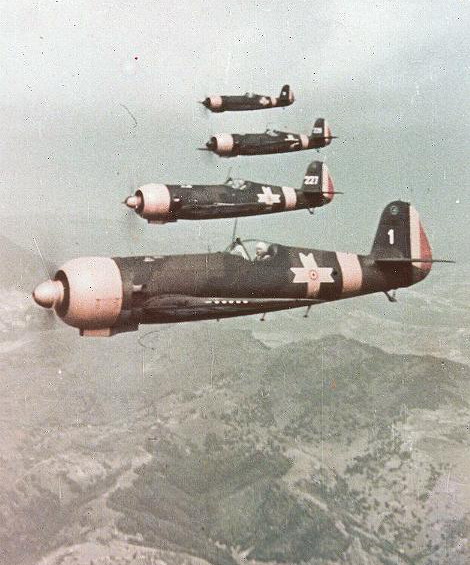
A fost un monoplan, metalic, pentru luptă și atac, românesc, din timpul celui de-al Doilea Război Mondial. DespreIAR 80-81 –Wikipedia Rol: Avion pentru luptă Fabricant: Industria Aeronautică Română (IAR) Primul zbor: 12 aprilie 1939 Introducere: February 1941 Retras: 1949 1952 (IAR-80DC) Primii utilizatori: Royal Romanian Air Force Produs: 1940–1944 Număr de aeronave construite: 346 unități produse după 30 septembrie 1944(170 IAR 80; 176 IAR 81) Dezvoltat din: PZL P.24 Când a avut primul zbor, în 1939, era comparat cu contemporanul design, GermanMesserschmitt Bf 109E, British Hawker Hurricane MkI, și American Curtiss P-40B/Tomahawk Mk.I și superior lui Dutch Fokker D.XXI și Polish PZL P.24. Cu toate acestea, problemele producției și a lipsei de armament disponibil, întârzie intrarea IAR-ului 80 în funcțiune până în 1941. Acesta a rămas în primă-linie de utilizare până în 1944. Dezvoltare În scopul de a se asigura că Forțele Aeriene Române Regale (ARR) ar putea continua să furnizeze aeronave în timp de război, guvernul subvenționează crearea a trei producatori de aeronave majore în anii 1920 și 1930. Primul a fost Societatea pentru Exploatări Tehnice (SET), care s-a fost format în București, în 1923. Apoi a venit Industria Aeronautică Română (IAR), care a instituit magazinul în Brașov în 1925. În cele din urmă a fost Intreprinderea de Constructii Aeronautice Romanești (ICAR), care a fost fondată în București, în 1932. În 1930 guvernul român a emis caietul de sarcini pentru un luptător nou. Deși guvernul nu se aștepta la oferte din partea industriei proprii de aeronave, IAR a produs luptători mai mult prototip, ca răspuns la ofertă. Niciuna dintre companiile românești nu au acceptat oferta, și pentru că industria era coruptă, guvernul a naționalizat IAR, în timp ce celelalte două societăți au fost lăsate la dispozitivele lor. Contractul a fost în cele din urmă câștigat de luptătorul polonez PZL P.11, care la acea vreme era considerat a fi cel mai bun luptator din lume. FARR a achiziționat 50 de versiuni modificate numite P.11b, toate au fost livrate în 1934. Un al doilea concurs a fost, de asemenea, lupta dintre noul IAR.24 și PZL P.24 și încă o dată design-ul noului PZL a câștigat un contract pentru un alt avion 50. Deși modele proprii IAR nu au intrat în producție, au castigat cu toate acestea, contractele de a construi multe dintre corpuri sub licență, precum și care furnizează motoare, versiuni autorizate ale celebrului Gnome-Rhone 14K. Alte contracte licențiate includ Potez 25, Morane-Saulnier 35, și Fleet 10-G. Ca urmare compania a avut destui bani pentru a finanța un magazin de design, chiar dacă nu a văzut desenele sale de producție. În ciuda cursei constante cu PZL, o echipa de design IAR condusă de Dr. Ion Grosu a continuat să lucreze la proiectele de luptă. El a fost convins că designul aripii mici pionier pe IAR.24 a reprezentat un design mult mai bun decât PZL gull-wing de design, care a fost adesea menționat ca „aripa poloneză”. Încă o dată echipa a studiat luptătorul nou, PZL caută să includă caracteristicile sale cele mai bune, într-un nou avion, iar rezultatul a fost IAR.80. Proiectare Descriere: Monoplan pentru luptă, aripă cu formatul convențional și suprafață de control. Fuselaj: fuzelajul este circular în secțiunea transversală, de cotitură, în formă de ou, cockpit în spate în cazul în care aceasta include un creasta-spate. Aspectul general de fuselaj poartă o anumită asemănare cu F4U, dar a fost bazat pe polonezul PZL P.24. Aripi: Aripile sunt dreptunghiulare, muchia de ieșire se îngustează foarte ușor spre față. Mici întărituri de fuselaj la un punct de aproximativ 1/3 de-a lungul duratei, în cazul în care eleroanele supradimensionate cad în afara capacelor rotunjite pe aripi. Alte detalii: coronamentul a fost de tip bubble, glisant în spate pentru a deschide, cu un design destul de modern. Cabina de pilotaj este relativ mult în spate, peste 1/2 din drumul înapoi de la bot. Coada-Dragger trenul de aterizare au fost utilizate, cu principalul set de larg și retragere spre interior, și coada „unealtă” a fi un mini simplu, care nu retractează. Designul a fost un amestec adevărat de caracteristici. Secțiunea cozii a fost inspirată direct de la P.24, și a fost de semi-monococa de construcție. Fuselajul din spate și motorul de la cabina de pilotaj erau noi, constând dintr-un cadru sudat, tub de oțel acoperit cu folii de aluminiu. Aripile au fost montate chiar in spatele motorului, și au fost de acelasi design ca cele utilizate la începutul IAR.24, care a concurat cu P.24. Potrivit unei surse, profilul aripii a fost luat direct de la bombardierul italian Savoia Marchetti, în serviciu cu ARR, în acel timp, ca echipa de design nu au avut timp pentru a finaliza studiile aripilor de proiectare. Ca urmare, profilul a fost mai puțin favorabil pentru viteze mai mari, dar a dat aeronavei o manevrabilitate mai mare Interiorul cabinei de pilotaj, instrumente, și gunsight au fost aproape în întregime importate de la furnizori externi. Acest efort de a agrega un luptator din diverse surse a fost, din nou, un rezultat de indiferență a autorităților în perioada de pre-război de ani și a cererii în ultimul minut lui IAR pentru a produce un luptător de prima linie. Aeronava a fost considerabil mai modernă decât modelele poloneze, iar echipa a avut în cele din urmă un design care ar putea bate cel mai bine PZL-ul. Considerat unul dintre cei mai buni luptători din 1939, un raport al Luftwaffe major testat în martie 1941 a spus: „La-decolare și aterizare sunt foarte bune. Este cu 20-30 km mai lent decât Bf-109e. Într-o luptă aeriană, se transforma, sunt echivalente, deși botul său lung reduce vizibilitatea. Într-o scufundare este surclasat de Bf-109e, deoarece pasul elicei nu are un sistem automatizat de reglementare. E un luptător adecvat la nevoile moderne „ Prototipuri Au început lucrările pe prototipul IAR.80 la sfârșitul anului 1937, inițial cu un cockpit deschis, motor 870 cp (649 kW) IAR K14-III C32, care a fost licențiat de Gnome-Rhône 14K II Mistral Major. Prototipul a fost finalizat încet. Primul sau zbor a fost în aprilie 1939.
IAR 80 – 81
[tabs] [tab title=”Pe scurt”] IAR 80 – 81 The IAR 80 – 81 was a Romanian World War II low-wing, monoplane, all-metal monocoque fighter and ground-attack aircraft. About IAR 80 – 81 – Source Wikipedia Role: Fighter aircraft National origin: Romania Manufacturer: Industria Aeronautică Română (IAR) First flight: 12 April 1939 Introduction: February 1941 Status: Retired in 1949 and in 1952 (IAR- 80DC) Primary users: Royal Romanian Air Force Number built: 346 units produced up to 30 September 1944 (170 IAR 80; 176 IAR 81) Developed from: PZL P.24 Specifications (IAR 80) Data from IAR 80 – 81 General characteristics Crew: One, pilot Length: 8.9 m (29 ft 2 in) Wingspan: 10.52 m (34 ft 6 in) Height: 3.6 m (11 ft 10 in) Wing area: 16 m² (172.16 ft²) Empty weight: 1,780 kg (3,924 lb) Max. takeoff weight: 2250 kg (4,960 lb) Powerplant: 1 × IAR K.14-IV C32 air-cooled 14-cylinder double-row radial, 716 kW (960 hp) Performance Maximum speed: 495 km/h at 5,000 m (275 knots, 316 mph at 16,500 ft) Range: 940 km (507 nm, 580 mi) Service ceiling: 10,500 m (34,500 ft) Armament 4 × FN (Browning) 7.92 mm with 500 rounds each mounted in the inner portion of the wing Specifications (IAR 80A) Data from IAR 80 – 81 General characteristics Crew: One, pilot Length: 8.97 m (29 ft 5 in) Wingspan: 10.52 m (34 ft 6 in) Height: 3.525 m (11 ft 7 in) Wing area: 17 m² (183 ft²) Empty weight: 1617 kg (3,565 lb) Max. takeoff weight: 2,248 kg (4,957 lb) Powerplant: 1 × IAR K14-1000A air-cooled 14 cylinder double-row radial, 764 kW (1025 hp) Performance Maximum speed: 540 km/h (337.5 mph) Range: 1150 km (621 nm, 715 mi) Service ceiling: 10,500 m (34,500 ft) Wing loading: 132.35 kg/m² (27.1 lb/ft²) Armament 6 × FN (Browning) 7.92 mm with 500 rounds each mounted in the inner portion of the wing Specifications (IAR 80C) Data from IAR 80 – 81 General characteristics Crew: One, pilot Length: 8.97 m (29 ft 5 in) Wingspan: 11 m (36 ft 1 in) Height: 3.535 m (11 ft 7 in) Wing area: 17 m² (183 ft²) Empty weight: 2200 kg (4,850 lb) Max. takeoff weight: 2980 kg (6,570 lb) Powerplant: 1 × IAR K14-1000A air-cooled 14 cylinder double-row radial, 764 kW (1,025 hp) Performance Maximum speed: 560 km/h at 7,000 m (fully loaded with bomb attached) (300 knots, 347 mph at 22,965 ft) Range: 730 km on internal fuel only/1330 km with extra fuel tanks (394 nm, 454 mi/718 nm, 826 mi) Service ceiling: 10,000 m (32,800 ft) Wing loading: 132.35 kg/m² (27.1 lb/ft²) Armament 2 × 20 mm MG 151/20 cannon and 4 × 7.92 mm FN machine guns mounted in the inner portion of the wing; one 225 kg (500 lb) bomb under the fuselage Note One source states that the IAR.81Bs that were delivered as fighters were actually referred to as IAR.80C in service, reflecting the fact that they were used as fighters instead of bombers. It’s unclear if this was the case, and as the later 81C model definitely did not receive a „modified name” in the same fashion, it’s unlikely this was true. [/tab] [tab title=”Detailed information”] IAR 80 – 81 The IAR 80 – 81 was a Romanian World War II low-wing, monoplane, all-metal monocoque fighter and ground-attack aircraft. When it first flew, in 1939, it was comparable to contemporary designs such as the German Messerschmitt Bf 109E, the British Hawker Hurricane Mk.I, and the American Curtiss P-40B/Tomahawk Mk.I and superior to the Dutch Fokker D.XXI and Polish PZL P.24. However, production problems and lack of available armament delayed entry of the IAR 80 into service until 1941. It remained in front-line use until 1944. Development In order to ensure that the Royal Romanian Air Force or (ARR) could continue to be supplied with aircraft in time of war, the government subsidized the creation of three major aircraft manufacturers in the 1920s and 1930s. The first was Societatea pentru Exploatări Tehnice (SET) which was formed in Bucharest in 1923. Next came Industria Aeronautică Română (IAR) which set up shop in Braşov in 1925. Finally there was Intreprinderea de Construcţii Aeronautice Romaneşti (ICAR), which was founded in Bucharest in 1932. In 1930 the Romanian government issued specifications for a new fighter. Although the government did not expect bids from its own aircraft industry, IAR produced several prototype fighters in response to the tender. None of the other Romanian companies entered a bid, and as the industry was rife with corruption, the government nationalized IAR while the other two companies were left to their own devices. The fighter contract was eventually won by the Polish PZL P.11, which at the time was considered to be the best fighter in the world. The FARR purchased 50 of a modified version called the P.11b, all of which were delivered in 1934. A second contest was also fought between the newer IAR.24 and PZL P.24 designs, and once again the newer PZL design won a contract for another 50 aircraft. Although IAR’s own designs had not entered production, they nevertheless won the contracts to build many of the airframes under license, as well as providing the engines, licensed versions of the famous Gnome-Rhone 14K. Other licensed contracts included the Potez 25, the Morane-Saulnier 35, and the Fleet 10-G. As a result the company had enough money to fund a design shop even if its designs never saw production. Despite the constant race with PZL, an IAR design team led by Dr. Ion Grosu continued work on fighter designs. He was convinced that the low wing design pioneered on the IAR.24 represented a much better design than the PZL gull-wing design, which was often referred to as the „Polish wing”. Once again the team studied the new PZL fighter looking to incorporate its best features into a new plane, and the result was the IAR.80. Design Description: Low wing monoplane fighter with conventional control surface layout. Fuselage: The fuselage is circular in cross section, turning to egg shaped behind the cockpit where it incorporates a ridge-back. The general fuselage layout bears a certain